BLOG
AI news & insights
The latest in artificial intelligence, curated from trusted sources for learners across Africa.
Anthropic Pledges $150 Million to Boost AI in US Scientific Research
Anthropic has pledged $150 million over three years to support the Genesis Mission, a US federal initiative aimed at advancing scientific research through AI. This investment will enhance access to AI tools for various federal agencies, facilitating significant breakthroughs in fields like fusion energy and quantum computing. For African educators and students, this commitment underscores the growing importance of AI in scientific discovery, highlighting opportunities for collaboration and innovation in education and research across the continent.

Anthropic Launches Cyber Mission to Secure Critical Systems
The launch of the Anthropic Cyber Mission is a significant step towards enhancing cybersecurity for critical infrastructure and open-source software, which are vital for educational and governmental operations in Africa. By providing tools, resources, and expert support to defenders of these systems, this initiative aims to address vulnerabilities that could disrupt essential services such as power and water supply. For educators and students alike, a secure technological environment is crucial for fostering learning and innovation, making this mission particularly relevant for the continent's future development.

Anthropic Updates 2026 Usage Policy with New Guidelines
The recent update to Anthropic's Usage Policy, effective November 12, aims to enhance clarity and address emerging misuse patterns of AI models, particularly in areas such as health, finance, and electoral integrity. For educators and learners across Africa, this policy underscores the importance of ethical AI usage, as it sets boundaries against deceptive practices that could undermine democratic processes and the integrity of information. Understanding these guidelines is crucial for fostering responsible AI implementation in educational settings and ensuring that technology serves to enrich learning rather than mislead.
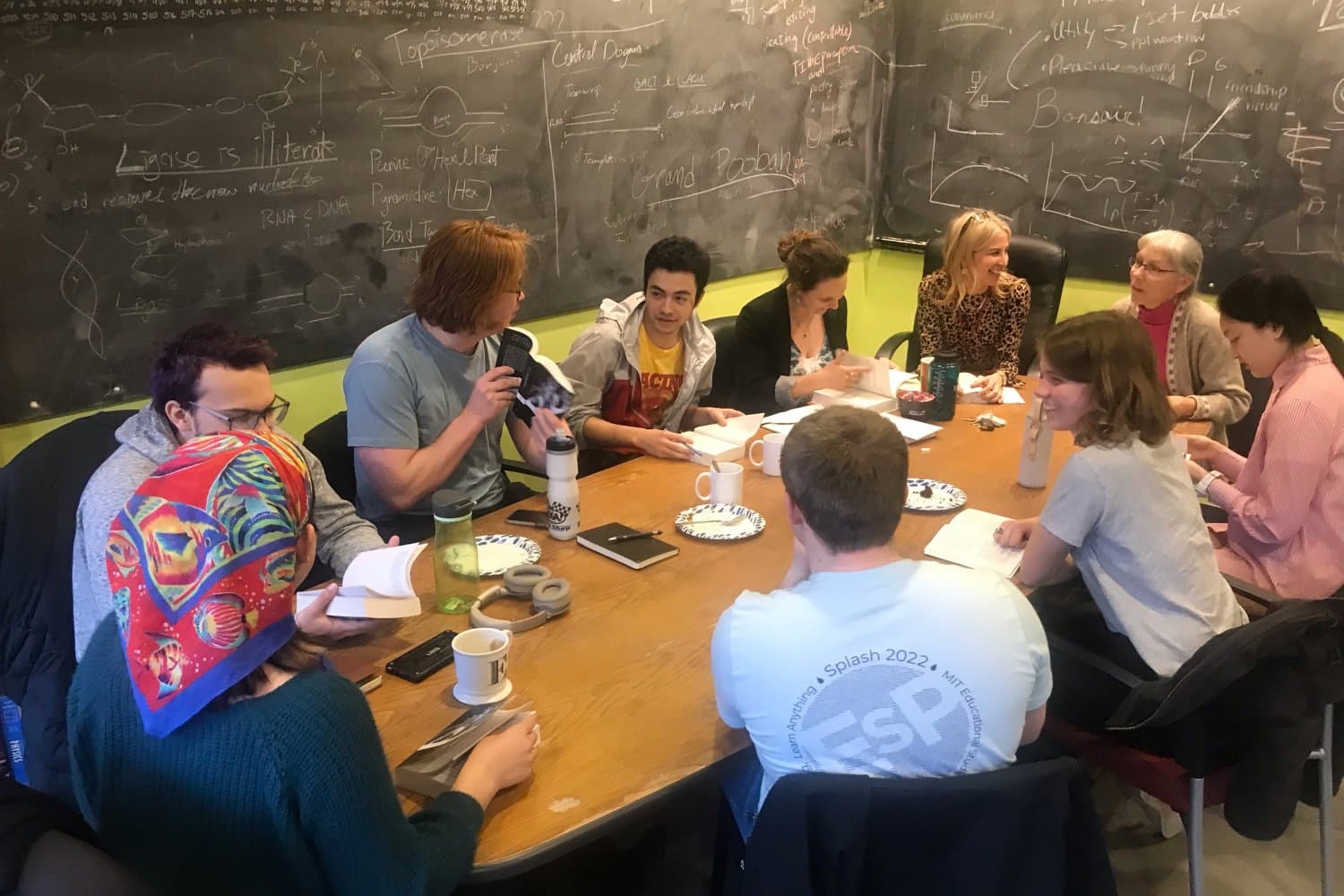
MIT’s Concourse Program Highlights AI’s Role in Humanistic Study
The integration of artificial intelligence into education, as highlighted by MIT's Concourse program, emphasizes the importance of humanistic inquiry in understanding what it means to be human. This approach encourages African learners and teachers to engage with fundamental questions of existence and intelligence, fostering a rich dialogue that complements scientific and mathematical studies. By promoting a diverse and collaborative learning environment, programs like Concourse help students develop critical thinking skills essential for navigating complex societal issues.

NVIDIA and Microsoft Bring AI Agents to Windows PCs with RTX Spark
NVIDIA and Microsoft have announced advancements in AI integration for Windows PCs, introducing technologies that will empower learners and educators with enhanced tools for productivity. The new Microsoft Execution Containers (MXC) will provide a secure environment for AI agents, making personal computers more effective as learning assistants. This evolution in technology emphasizes the potential for improved educational experiences and access to advanced resources in classrooms across Africa.

Google's Playground: A New Era in Game Creation
Playground is an innovative gaming platform that empowers learners and educators to create, play, and share custom games without the need for coding skills. By lowering the barriers to game design, it encourages creative expression and collaboration among students, fostering a vibrant community where ideas can be easily transformed into playable experiences. This tool not only enhances digital literacy but also provides an engaging way for teachers to incorporate interactive learning in their classrooms.

Introducing Claude Haiku 5.5
Claude Haiku 5.5 has been launched as an affordable and efficient AI model, offering significant cost savings and enhanced performance for educational tasks such as summarization and data analysis. This model is particularly beneficial for teachers and learners in Africa, as it enables quicker processing of information and supports the development of interactive learning tools. The introduction of adjustable settings allows users to optimize for either cost or intelligence, making it a versatile option for diverse educational needs.
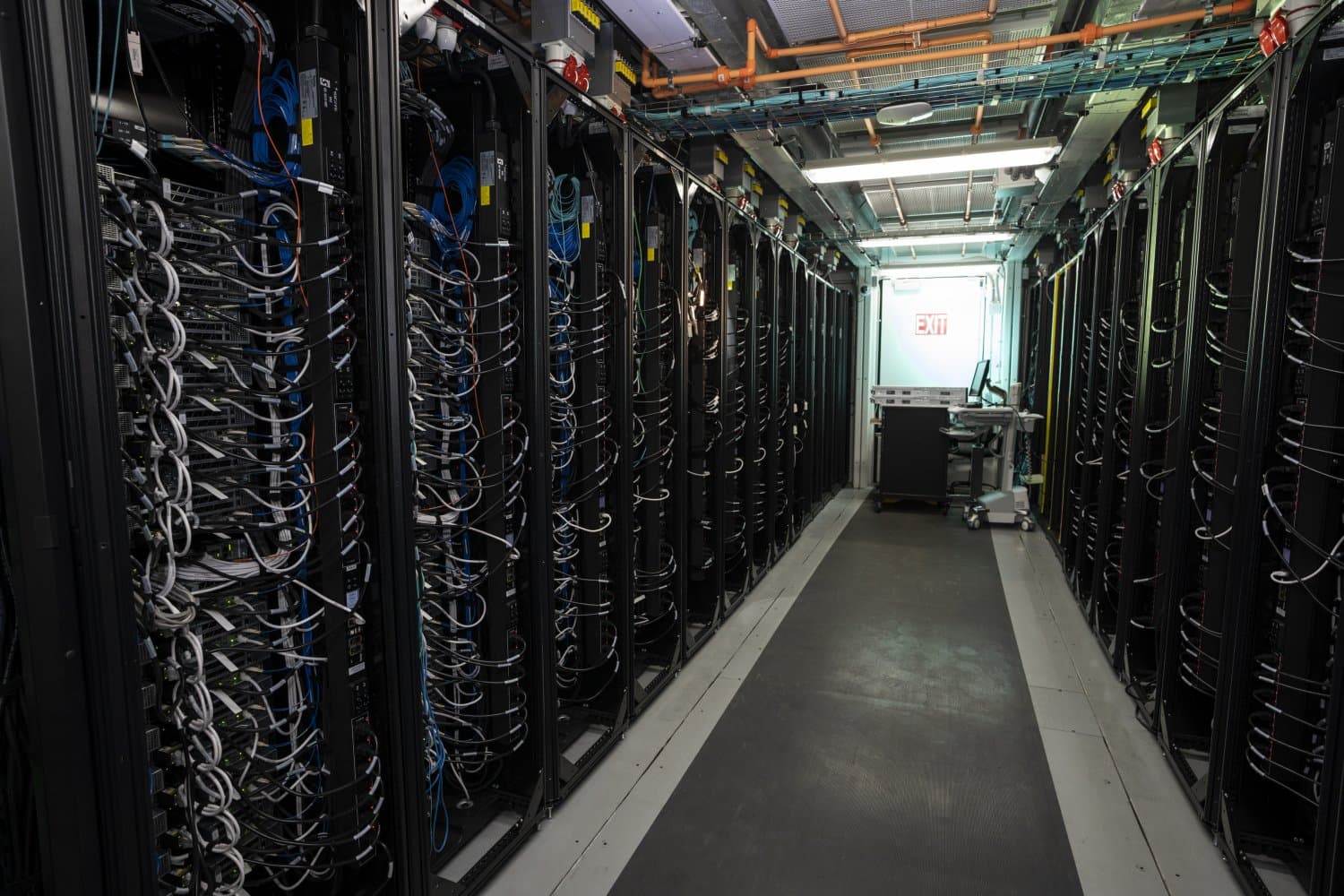
Supercomputing researchers document evolution of AI hardware
The ongoing development of AI accelerators is crucial for enhancing technological capabilities in various fields, including education. As researchers continue to document and compare the performance of these specialized systems, it becomes essential for African educators and learners to stay informed about the latest advancements, which can significantly impact teaching methods and learning experiences. Understanding these technologies can help institutions better integrate AI into their curricula and research, fostering a more innovative and competitive educational landscape.
EmbeddingGemma 2: an open, lightweight multimodal embedding model
EmbeddingGemma 2 represents a significant advancement in multimodal embedding technology, allowing educators and learners to seamlessly integrate text, images, audio, and video into a unified framework on local devices. This model enhances on-device performance and storage efficiency, making it an ideal tool for developing educational applications that require fast and accurate information retrieval, thereby supporting interactive and engaging learning experiences. The ability to process diverse media types simultaneously can greatly benefit teachers in creating comprehensive and resource-rich educational content.