NVIDIA RTX Spark Laptops Introduce Cutting-Edge AI Features
Shreevar Rastogi
The Elimu angle
NVIDIA has introduced new RTX Spark laptops that combine powerful GPUs and CPUs, enhancing the capabilities of learners and educators through advanced AI tools. With features like the Nemotron 3.5 Transcribe model, which can transcribe and translate audio in multiple languages, these laptops offer practical applications for classroom learning and administrative tasks. The integration of high-performance technology in accessible devices supports a more interactive and effective educational experience in Africa.
Based on NVIDIA AI BlogNVIDIA has announced new models of RTX Spark laptops, which are now available from major manufacturers like ASUS, Dell, HP, Lenovo, Microsoft, and MSI. These laptops are designed to cater to developers, creators, and gamers by integrating the NVIDIA Blackwell RTX GPU and NVIDIA Grace CPU into a single superchip. With up to 128GB of unified memory and up to 1 petaflop of FP4 AI performance, these laptops aim to deliver the power of a personal AI supercomputer in a portable form.
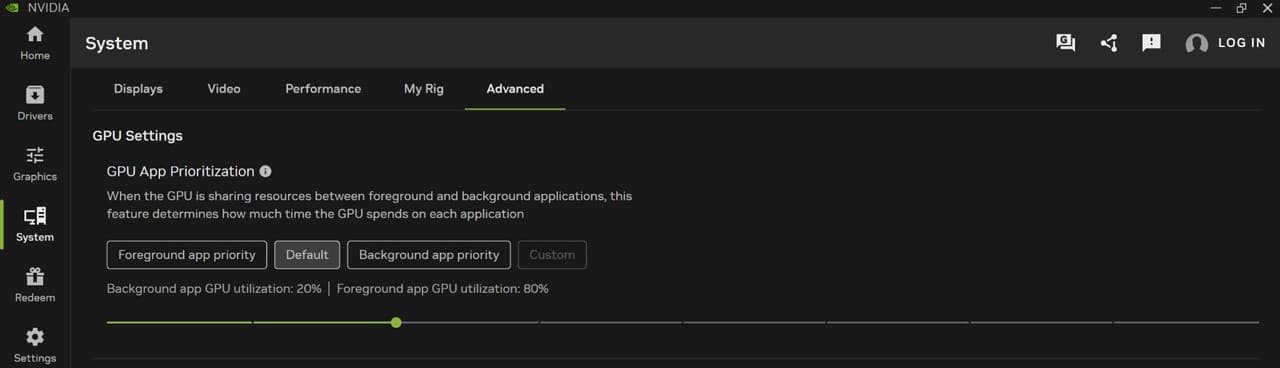
The new updates to the RTX Spark line include NVIDIA Nemotron 3.5 Transcribe, a speech model that consolidates transcription, speaker attribution, and translation into a single tool. Additionally, users can now manage GPU resource allocation between applications on these devices. The laptops also support a new generation of Liquid Foundation Models, which are designed for specialized tasks like speech transcription and decision-making processes.
Why this matters
The introduction of RTX Spark laptops with enhanced AI capabilities has significant implications for the computing landscape. The integration of powerful GPU and CPU components in a portable device broadens the scope of what can be achieved outside traditional desktop or server environments. These updates facilitate more efficient use of AI models, allowing for improved performance in various applications, from gaming to professional tasks.
The ability to manage GPU resources between applications also optimizes performance, ensuring that both background and foreground processes are adequately supported. This is particularly beneficial for users who require multitasking capabilities, such as running data-heavy applications alongside everyday software.
What it means for learners and teachers in Africa
For learners and educators in Africa, the advancements in NVIDIA RTX Spark laptops present both opportunities and challenges. While these devices bring state-of-the-art AI capabilities closer to users, the cost and accessibility of such technology remain significant barriers. The high-performance features of these laptops could support complex learning applications and simulations, potentially enhancing educational experiences in science, technology, engineering, and mathematics (STEM) fields.
However, the price point of these devices may be prohibitive for many institutions and individuals. Access to such technology is crucial for bridging the digital divide, but without affordable options, the benefits may remain out of reach for a large portion of the population. Additionally, the relevance of these tools to local curricula and examination requirements must be considered to ensure their usefulness in educational settings.
What to watch next
As NVIDIA continues to develop the RTX Spark lineup, it will be important to monitor whether more affordable models become available, making high-performance computing accessible to a broader audience. The deployment of quantized versions of NVIDIA Nemotron 3.5 Transcribe could also be a game-changer, allowing users to run sophisticated AI models on local hardware without relying on cloud-based solutions.
For educators and policy makers, keeping an eye on the integration of such technology into educational frameworks will be key. Exploring partnerships with technology providers to subsidize costs or develop localized educational content could help maximize the impact of these innovations in Africa. Lastly, the ongoing development of AI models and resource management tools will likely continue to shape the capabilities and applications of portable computing solutions in the near future.
Based on reporting by NVIDIA AI Blog. Written by Elimu Africa.